



 271 / 300

Furse, Wilford Road, Nottingham, NG2 1EB • Tel: +44 (0)115 964 3700 • Email:
enquiry@furse.com• Web:
www.furse.comTSC-0912 - 09.10.12
BS EN/IEC 62305-1
Guide to BS EN/IEC 62305
S1 Flash to the structure
S3 Flash to a
service connected
to the structure
S4 Flash near a
service connected
to the structure
Induced
overvoltage
Induced
overvoltage
S2 Flash near to
the structure
LEMP
Lightning
current
LEMP
LEMP
LEMP
Injury to people by step
and touch voltages resulting
from resistive and inductive
coupling (Source
S1
)
Fire and/or explosion due to the hot
lightning arc itself, due to the resultant
ohmic heating of conductors, or due to arc
erosion ie. melted metal (Source
S1
)
Injury to people due to touch
voltages inside the structure
caused by lightning currents
transmitted through the
connected service (Source
S3
)
Immediate mechanical
damage (Source
S1
)
Failure or malfunction of internal
systems due to overvoltages induced
on connected lines and transmitted
to the structure (Source
S3
&
S4
)
or by
LEMP
(Source
S1
&
S2
)
Fire and/or explosion triggered by sparks
caused by overvoltages resulting from resistive
and inductive coupling and to passage of part
of the lightning current (Source
S1
)
Fire and/or explosion triggered by sparks due to
overvoltages and lightning currents transmitted
through the connected service (Source
S3
)
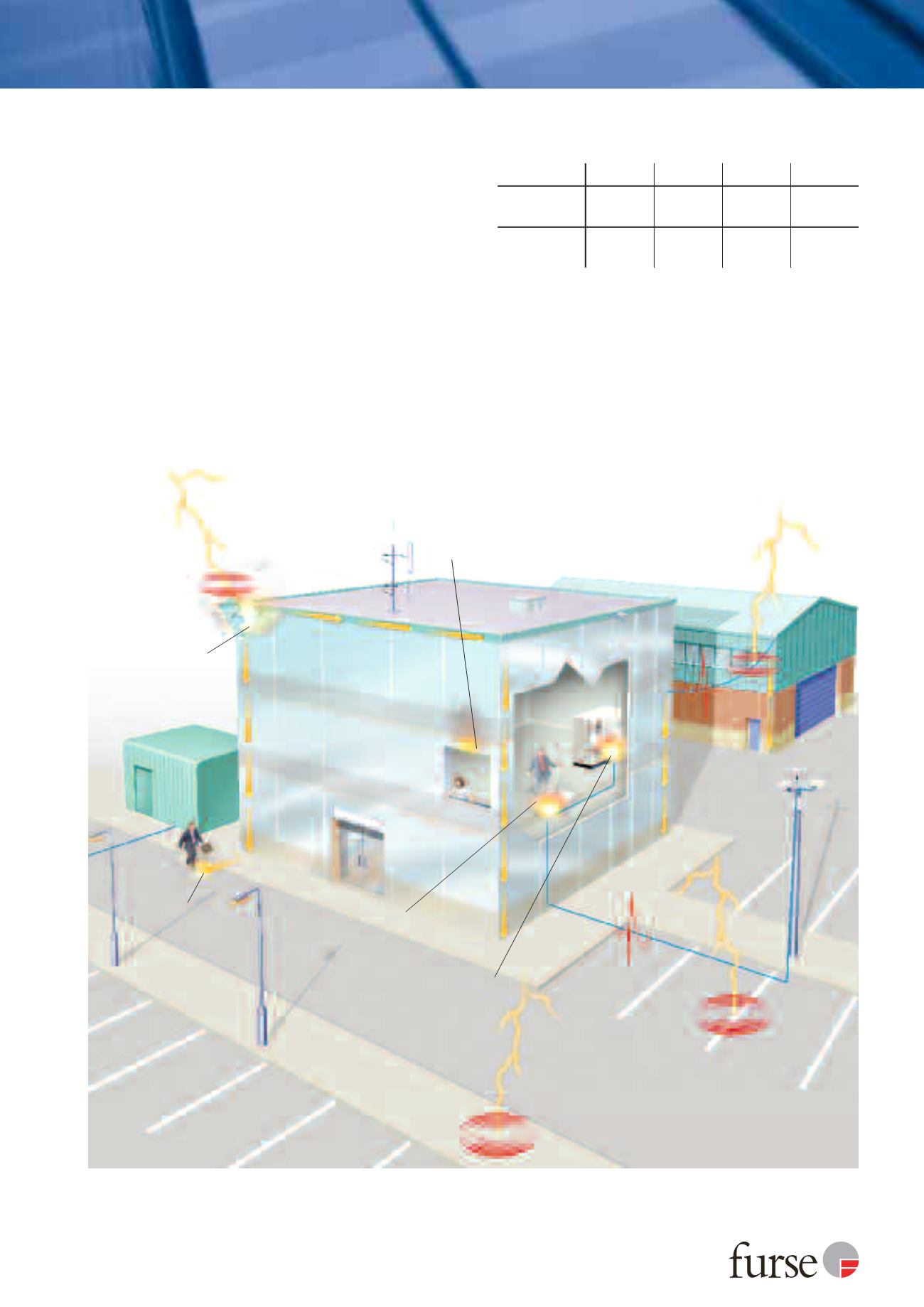
Figure 12: The types of damage and loss resulting from a lightning
strike on or near a structure
Lightning Protection Levels (LPL)
Four protection levels have been determined
based on parameters obtained from previously
published technical papers. Each level has a fixed
set of maximum and minimum lightning current
parameters. These parameters are shown in
Table 6.
The maximum values have been used in the design of
products such as lightning protection components and
Surge Protective Devices (SPDs).
The minimum values of lightning current have been
used to derive the rolling sphere radius for each level.
LPL
I
II
III
IV
Maximum
current (kA)
200
150
100
100
Minimum
current (kA)
3
5
10
16
Table 6: Lightning current for each LPL based on
10/350 µs waveform
For a more detailed explanation of Lightning
Protection Levels and maximum/minimum current
parameters please see the Furse Guide to BS EN 62305.