




 20 / 28

20
HAVELLS
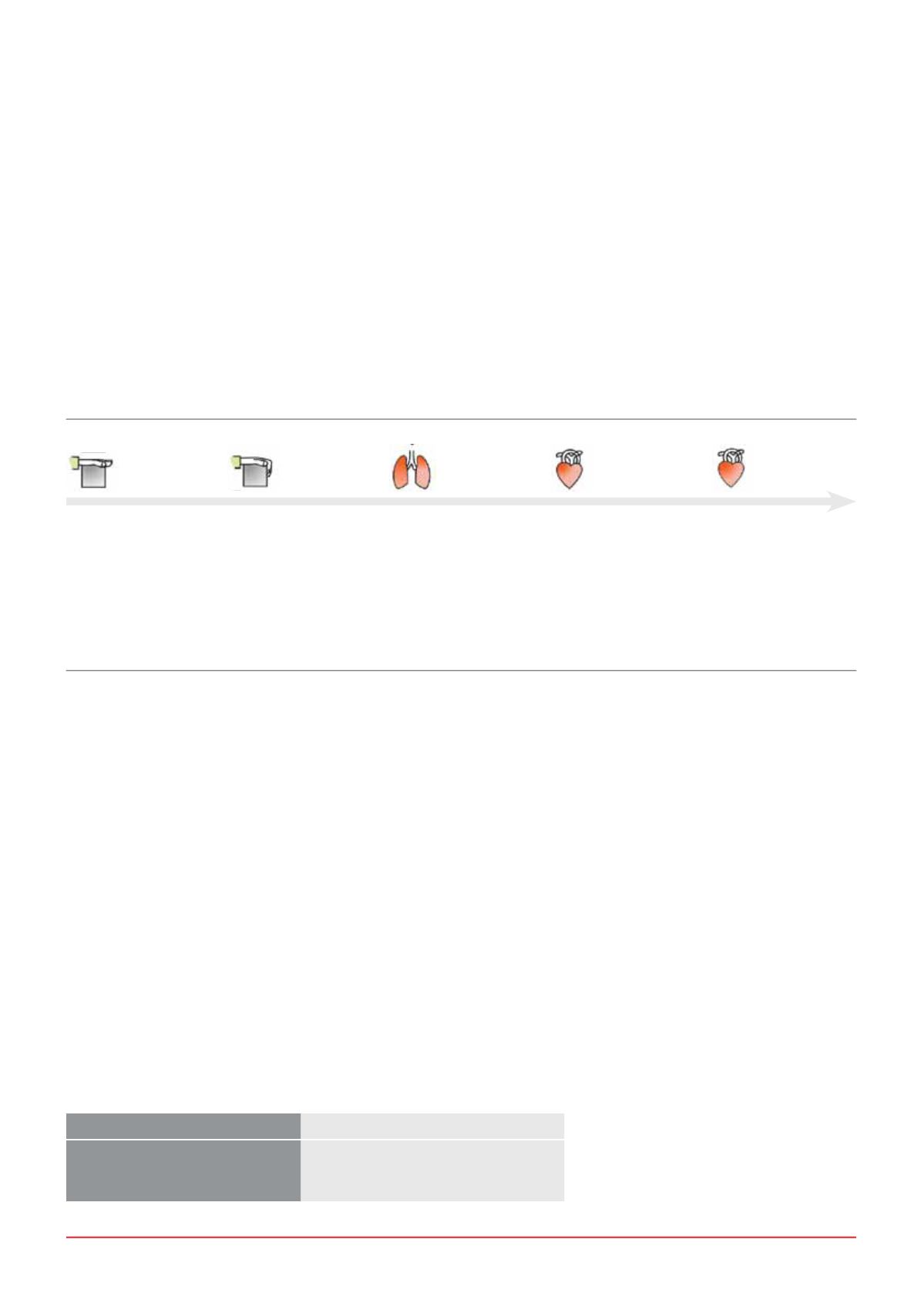
500 mA
Immediate cardiac
arrest resulting
in death
70-100 mA
"@QCH@B jAQHKK@SHNM SGD
heart begins to vibrate
and no longer beats
at a steady rate. This
situation is dangerous
since it is irreversible
20-30 mA
Muscle contraction
can cause respiratory
paralysis
10 mA
Muscle contraction:
the person remains
“stuck” to the
conductor
1-10 mA
Prickling sensations
However, electrocution should not be viewed in terms of
“current” alone, but in terms of “contact voltage”. A person
gets electrocuted by coming in contact with an object that
has a different potential from his/her own. The difference in
ONSDMSH@K B@TRDR SGD BTQQDMS SN kNV SGQNTFG SGD ANCX
The human body has known limits:
q Under normal dry conditions, voltage limit = 50 V
q In damp surroundings, voltage limit = 25 V
Against Indirect Contact
Over current protection devices like MCB are unable to
act promptly on small earth leakage currents. To comply
with wiring regulations, the earth fault loop impedance in
Ohms, multiplied by the rated tripping current of the RCD in
amperes must not exceed 50.
Example
For an RCD with a rated tripping current of 30 mA, the
maximum permissible earth fault loop impedance is
calculated as follows: Zs (max) = 50/In = 50/0.03 = 1,666
Against Fire
3GD L@INQHSX NE jQDR VGHBG NBBTQ @R @ QDRTKS NE E@TKSX VHQHMF
@QD RS@QSDC AX BTQQDMS kNVHMF SN D@QSG %HQD B@M AD RS@QSDC AX
fault current of less than 1 amp.
The normal domestic overload protective device such as a
fuse or MCB will not detect such a small current. A correctly
chosen RCD will detect this fault current and interrupt the
RTOOKX GDMBD QDCTBHMF SGD QHRJ NE @ jQD RS@QSHMF
Rated Tripping Current of the RCD
10mA 30 mA 100 mA 300 mA
Maximum permissible earth fault
loop impedance in Ohms
5,000 1,666 500
166
RCCB
The use of exposed, substandard, badly wired, wrongly
connected or damaged equipment as well as frayed or badly
repaired cables reduces the safety of an installation and
increases the risk of person receiving an electric shock.
Electrocution is a passage of current through the human
ANCX VGHBG HR C@MFDQNTR 3GD kNV NE BTQQDMS SGQNTFG SGD
human body effects vital functions.
1. Breathing
2. Heartbeat
BNQQDBSKX BGNRDM 1""! B@M CDSDBS RL@KK BTQQDMSR kNVHMF
to earth and reduces the risk of electrocution. The effect
of electric current through the human body has been well
researched and the following chart summarises the results: