




 317 / 319

10
Q
Why is the isolation and
switching off of luminaires
important?
Facilities should be designed
into every electrical installation
so that it can be maintained in
a safe condition. The electrical
design engineer is duty bound
under the Electricity at Work
Regulations 1989 to ensure
that this is the case.
The advent of computer
controlled luminaires
and other automatic
lighting control systems
have introduced further
complications to the safety
issues of isolation and
switching.
Q
Is there a difference
between isolation and
switching off for mechanical
maintenance?
Yes.
Q
What is isolation?
Isolation is defined in BS
7671
as a function intended
to cut
off, for safety
reasons, the
supply from all, or a discrete
section of, the
installation
by separating it
from every
source of
electrical energy.
Q
Why do you need
isolation?
It prevents death or personal
injury from electric shock,
electric burn, fires of electrical
origin, electric arcing or
explosions initiated or caused
by electricity.
Isolation enables electrically
skilled persons to carry out
work on, or adjacent to, parts
which would otherwise be live,
eg replacing a faulty ballast or
ignitor in a luminaire.
Q
What design
considerations are necessary
for isolation?
Consider the purpose of the
installation and the client’s
requirements for maintenance
and repair?
It should enable simple and
safe electrical maintenance
and repair with minimum
inconvenience and disruption
to other parts of the electrical
installation. You must also
take suitable precautions to
prevent equipment from being
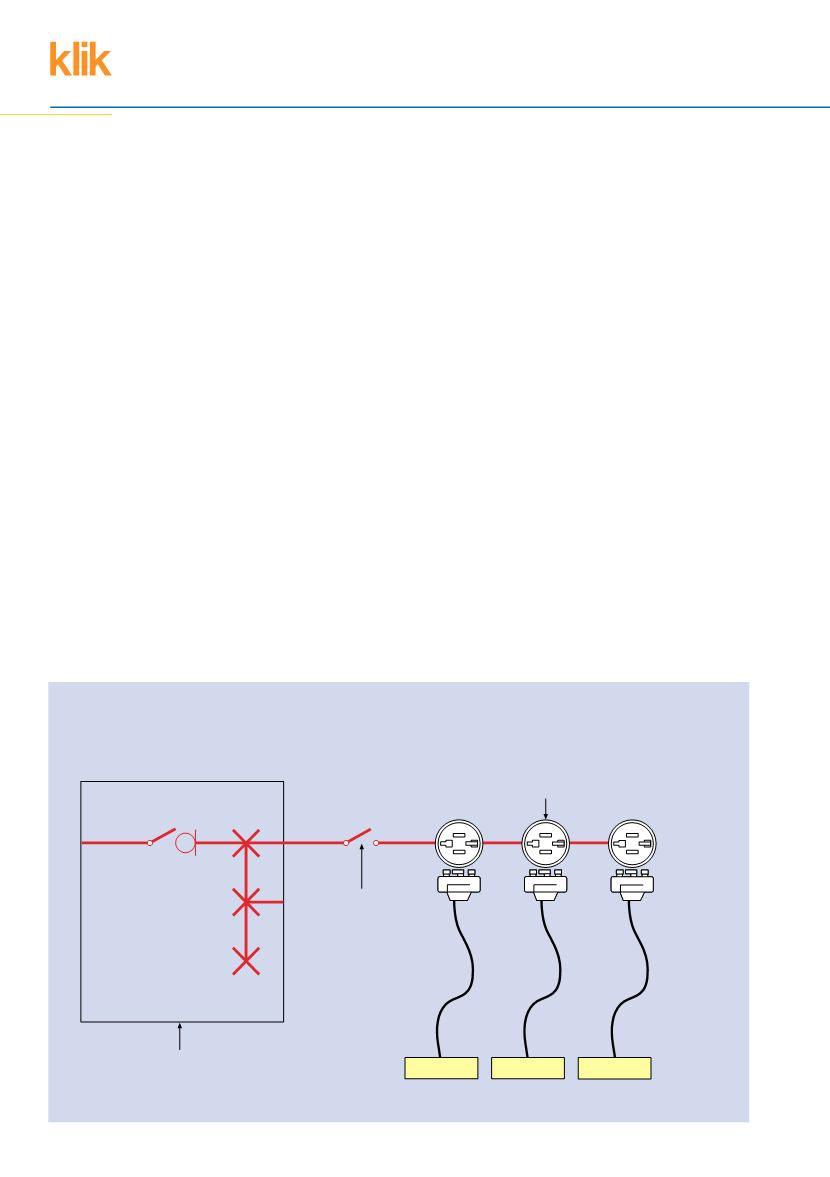
Figure 1: The lsc provides a means of on-load isolation
while also minimising the disruption to other parts of
the installation
2 Circuit
breaker
1 Switch
disconnector
integral to
distribution
board
Distribution board
3 standard light
switch or
automatic
control (remote
from luminaire)
4 Klik lsc or
5 Conduit box with dome plate
enabling direct connection to the
luminaires via flexible conduit or
6 Ceiling rose with flexible cord
Luminaires
Isolation