



 293 / 582

BETA Protecting
Overvoltage Protection Devices
Surge arresters, type 2
6/7
Siemens ET B1 · 10/2008
6
*
You can order this quantity or a multiple thereof.
■
Overview
Type 2 surge arresters are installed downstream of type 1
lightning arresters in main distribution boards or sub-distribution
boards. They protect low-voltage systems against transient
overvoltages.
The type 2 surge arrester lowers the level of protection to
between 1.4 and 1.5 kV. A remote signaling contact signals
whether a protective module has been disconnected from the
network by the thermal arrester disconnector or whether it is just
not plugged in.
All spark gaps are tripped. For this reason, decoupling reactors
are no longer required for the installation of overvoltage protection
devices.
To ensure fault-free operation of photovoltaic systems, it is
essential to have standardized protection against lightning and
overvoltages. SPDs (5SD7 483-.) for the DC side protect the
photovoltaic generator and the inverter against overvoltages.
In addition, there are now 4 new SPDs (5SD7 473-., 5SD7 485-.)
for the protection of IT systems.
■
Benefits
•
The rated arrester voltage is a uniform 350 V AC. This increases
safety in systems with extended voltage overshoots.
•
All type 2 surge arresters are fitted with a mechanical fault
indication that does not require an extra power supply.
•
A thermal isolating arrester installed in each device offers a
high degree of protection. In the event of overload, the surge
arrester is disconnected from the mains – the plant continues
running.
•
The protective modules are plug-in versions. No dismantling
of electrical wires required when replacing the protective
modules. When taking insulation measurements, the protective
modules are simply removed in order to ensure disconnection
from the power supply.
•
All surge arresters are available with a remote signaling contact,
which signals if the device fails.
■
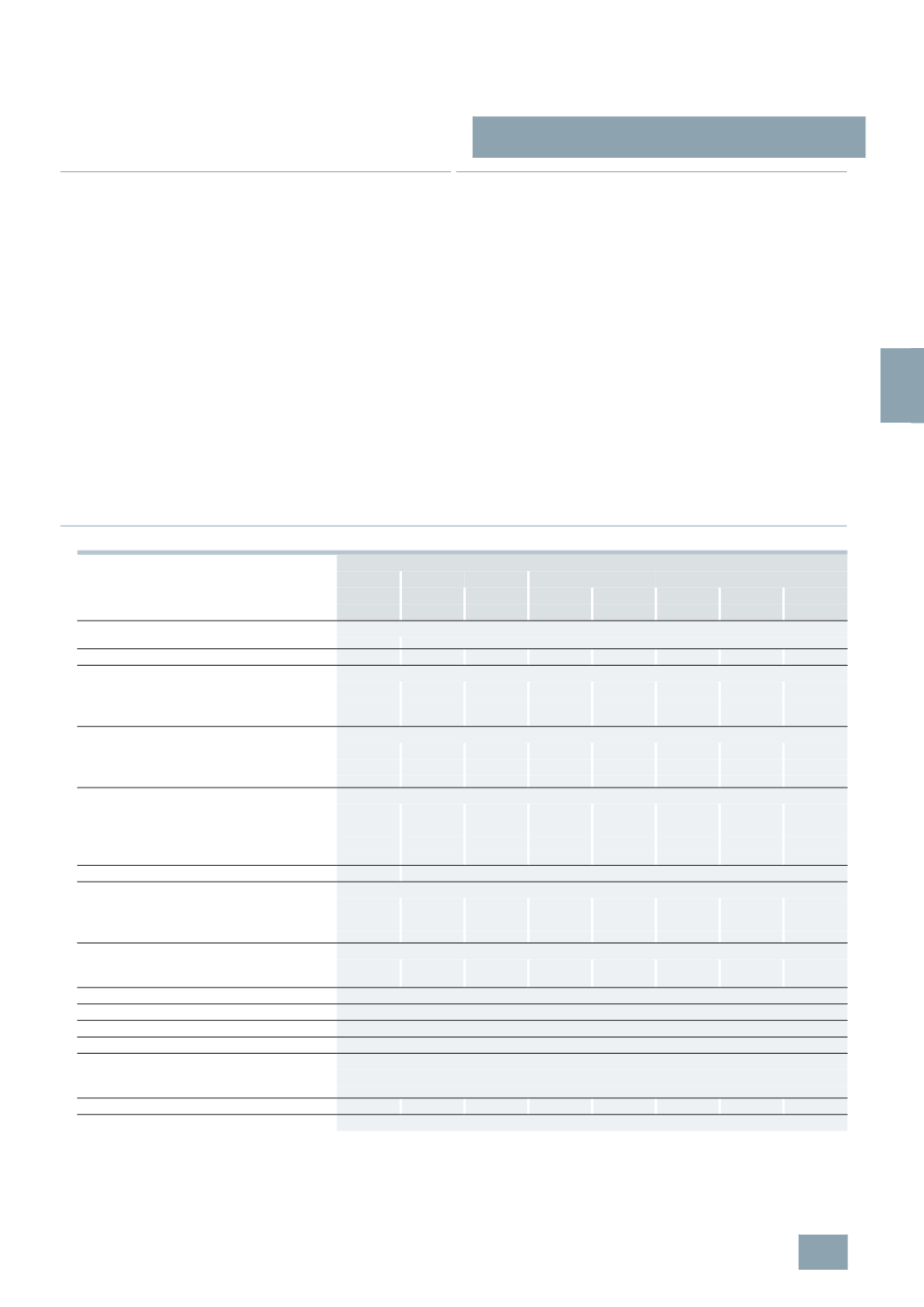
Technical specifications
Surge arresters, standard design
N/PE
Single-pole
Multipole
Plug-in Compact Plug-in 3P
4
P
3
P
4
P
3
P
5
SD7 481-0 5SD7 466-. 5SD7 461-. 5SD7 463-. 5SD7 464-. 5SD7 473-. 5SD7 485-. 5SD7 483-.
Standards
IEC 61643-11; EN 61643-11
Approved acc. to
KEMA --
Rated voltage U
N
V AC 240
240
240
240/415 240/415 500
240/415 --
Rated arrester voltage U
C
•
L/N
V AC --
350
350
--
--
--
--
--
•
L/N or L/PEN
V --
--
--
350
AC 350 AC 580 AC 440 AC 1000 DC
•
N/PE
V AC 260
--
--
--
260
--
--
--
Rated discharge surge current
I
n
(8/20
s)
•
L/N
kA --
20
20
--
--
--
--
--
•
L/N or L/PEN, 1P
kA --
--
--
20
20
15
20
15
•
N/PE
kA 20
--
--
--
20
--
--
--
Discharge surge current
I
imp
(8/20
s)
•
L/N
kA --
40
40
--
--
--
--
--
•
L/N or L/PEN, 1P
kA --
--
--
40
40
--
--
30
•
L/N or L/PEN, 1P/multipole
kA --
--
--
--
--
30
40
--
•
N/PE
kA 40
--
--
--
40
--
--
--
Lightning impulse current
I
imp
(10/350
s)
kA
12
--
Protection level U
p
•
L/N
kV --
1.4
--
--
--
--
--
--
•
L/N or L/PEN
kV --
--
1.4
1.4
1.4
2.5
2.2
5
•
N/PE
kV
1
--
--
--
1.5
--
--
--
Response time t
A
•
L/N or L/PEN
ns
--
25
25
25
25
25
25
25
•
N/PE
ns
100
--
--
--
100
--
--
--
Required back-up fuse, max.
A 125 gL
Short-circuit strength
with max. back-up fuse kA
rms
25
Temperature range
°C -40 ... +80
Degree of protection
IP20, with connected conductors
Conductor cross-section
•
Finely stranded
mm
2
1.5 ... 25
•
Solid
mm
2
1.5 ... 35
Mounting width
Acc. to DIN 43880 MW 1
1
1
3
4
3
4
3
Visual function/fault indication
Yes
© Siemens AG 2008