




 13 / 22

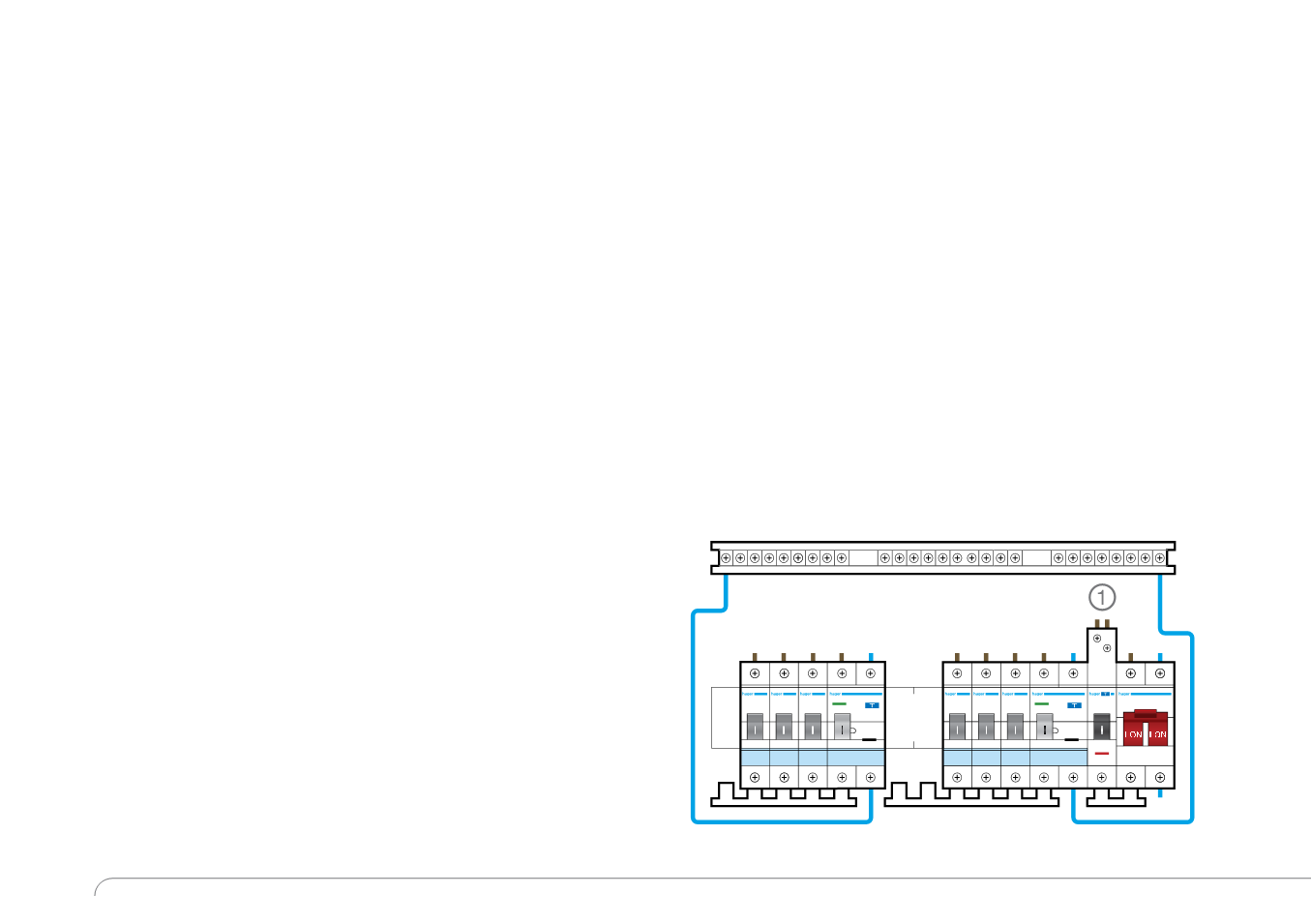
Smoke
In a standard house, a grade D, category LD3 system is
required. This is a mains powered alarm having an integral
standby supply. Such a system is required to be either:
a. Permanently wired from an independent circuit at the
distribution board, or
b. Be supplied from a local, regularly used lighting circuit.
(there being a means of isolating the supply to the alarms
without affecting the lighting).
Another consideration is that where, unusually, there is a
Grade B* or E** fire alarm and detection system. In this case,
account needs to be taken of clauses 15.3(d) and 15.6(c),
respectively, of BS 5839 6. Both of these clauses recommend
that the circuit serving the fire alarm system should preferably
not be protected an RCD, but if RCD protection is required for
electrical safety reasons then either:
• The RCD should serve only the circuit supplying the fire
detection and alarm system, or
• The RCD protection of the fire detection and alarm system
circuit should operate independently of any RCD
protection for circuits supplying socket outlets or portable
equipment.
* A Grade B fire detection and fire alarm system comprises
fire detectors (other than smoke alarms and heat alarms),
fire alarm sounders, and control and indicating equipment
meeting specified requirements given in BS 5839 6. This
may be required for a large house.
** A Grade E fire detection and fire alarm system comprises
one or more mains-powered smoke alarms and possibly
heat alarms, with no standby supply.
Guide to
| 17th Edition Consumer Units
13
“Where RCD protection is needed for
smoke detector circuits one option is to
supply that circuit only”